

Sumerian wisdom, Inanna, and a holistic view of earth and sky.
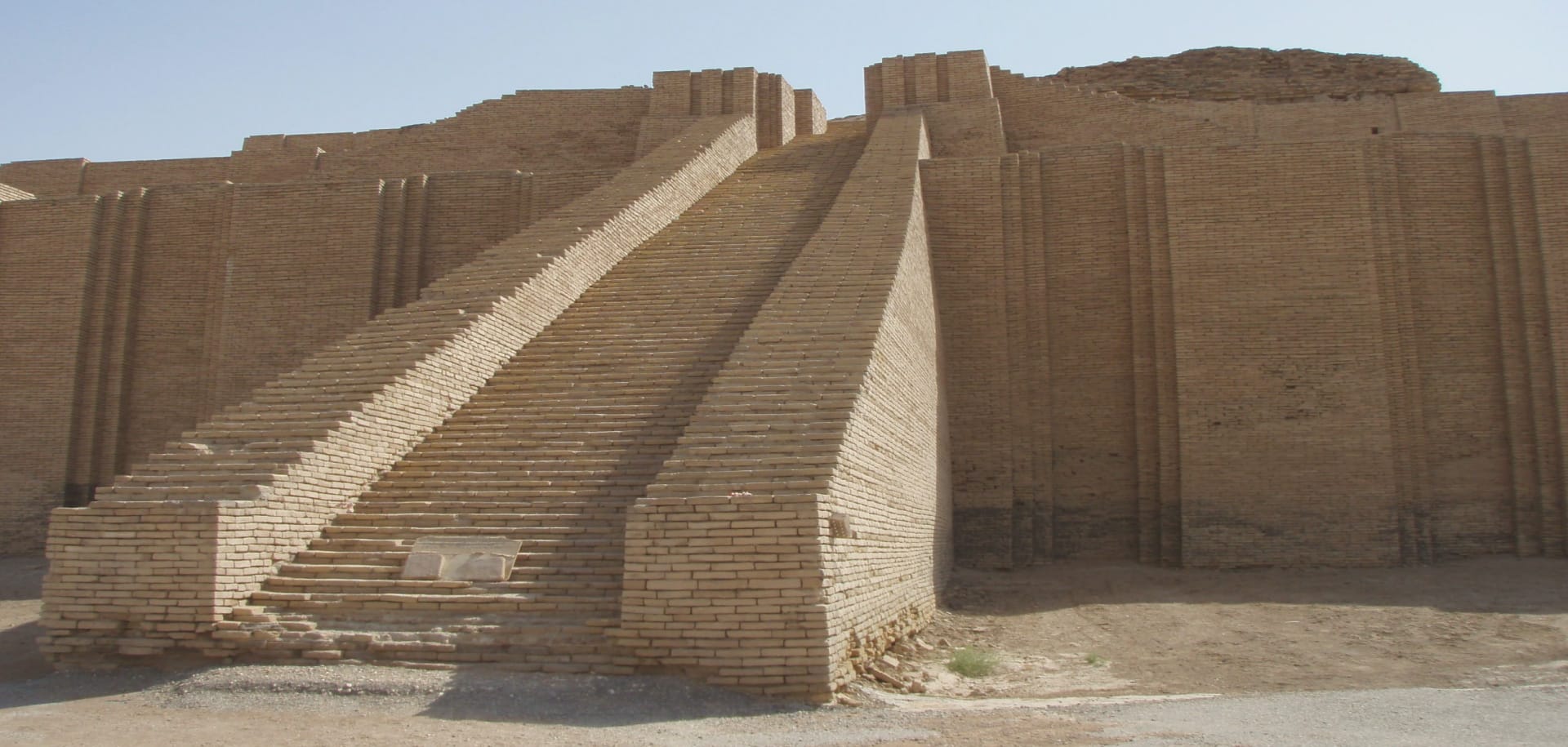
Mesopotamia—the land between the Euphrates and Tigris—is not only an archaeological phrase. It is a dense field of thought and experiment, where clay tablets, hymns, and myths trace an early attempt to understand how human life fits within a larger order. Through their writings, the Sumerians recorded not only transactions and laws, but prayers, medical recipes, incantations, and reflections on the movements of stars and planets. For Harmony Spiritus, this region offers an early example of something we also seek: a holistic view in which body, land, and sky are not separate domains, but part of one continuous fabric.
Remember · Clay, Cosmos, and the Goddess
Sumerian texts show a world in which humans, land, and gods are deeply intertwined.
- Clay tablets speak of fields, canals, and offerings—reminding us that agriculture, water management, and worship were inseparable.
- Hymns praise deities associated with sky, storms, grain, and love, suggesting that every aspect of life had a divine counterpart.
- Astronomical observations and calendars helped people align their activities with cycles of moon and sun.
At the center of many stories stands Inanna—a complex goddess of love, fertility, power, and war, associated with the planet Venus. In myths of her descent and return, she crosses thresholds between worlds: heaven, earth, and the underworld. To remember Mesopotamia through these writings is to remember that understanding was not divided: the same culture that tracked stars and seasons also told stories about emotional descent, communal justice, and the risks of power.
Reawaken · Inanna’s Descent as Inner Map
The story of Inanna’s descent to the underworld is one of the oldest known myths of transformation. She prepares herself, adorns her body, and passes through seven gates, leaving behind one symbol of her status at each threshold. Finally she stands naked in the depths, is judged, and hangs lifeless on a hook—before, through a complex series of events, she is allowed to return. We can meet this myth not only as literature, but as a map of the inner world:
- Times when we feel stripped of roles, titles, or defenses
- Moments when grief, illness, or crisis take us down into something we cannot control
- The slow, often uneven process of returning, changed, to the surface of daily life
Reawakening to Mesopotamia from this angle means seeing our own experiences reflected in these ancient patterns. It suggests that emotional and spiritual process were always part of their cosmology—not separate from land, law, or sky.
Acknowledge · Fragment and Continuity
Much of what we know about Sumerian thought comes from fragments: broken tablets, partial stories, layers of translation and interpretation. We also need to acknowledge:
- The long history of excavation, removal, and dispersal of Mesopotamian artifacts into distant museums
- The modern conflicts that have damaged sites and displaced communities
- The fact that people still living on and from these lands carry their own, evolving relationships to these ancient stories
Acknowledgement here is an ethical posture. We approach Sumerian knowledge with respect and humility, aware that what reaches us is partial—and that we are not its sole inheritors.