
Anatolian and Mesopotamian scent as memory, lineage, and quiet repair.
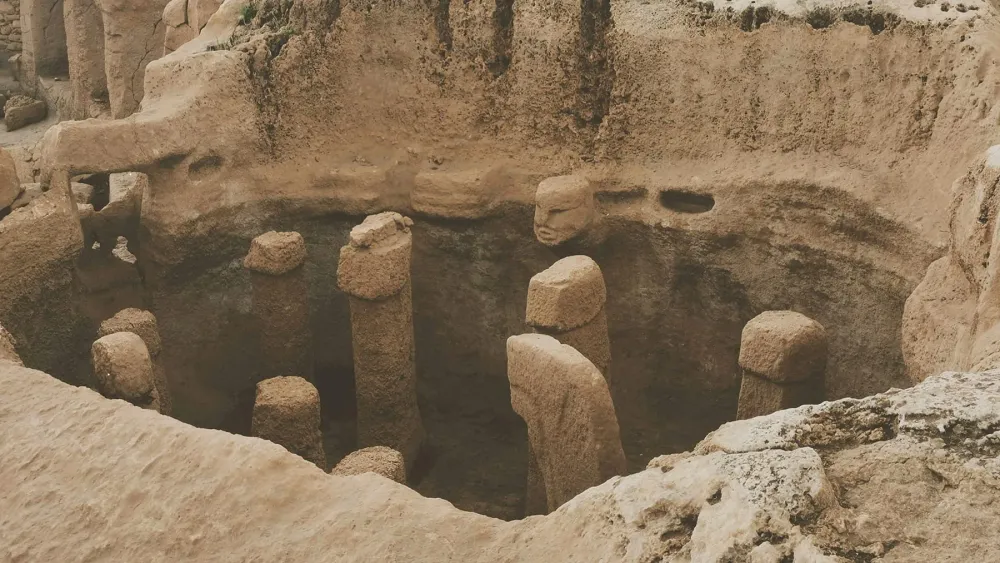
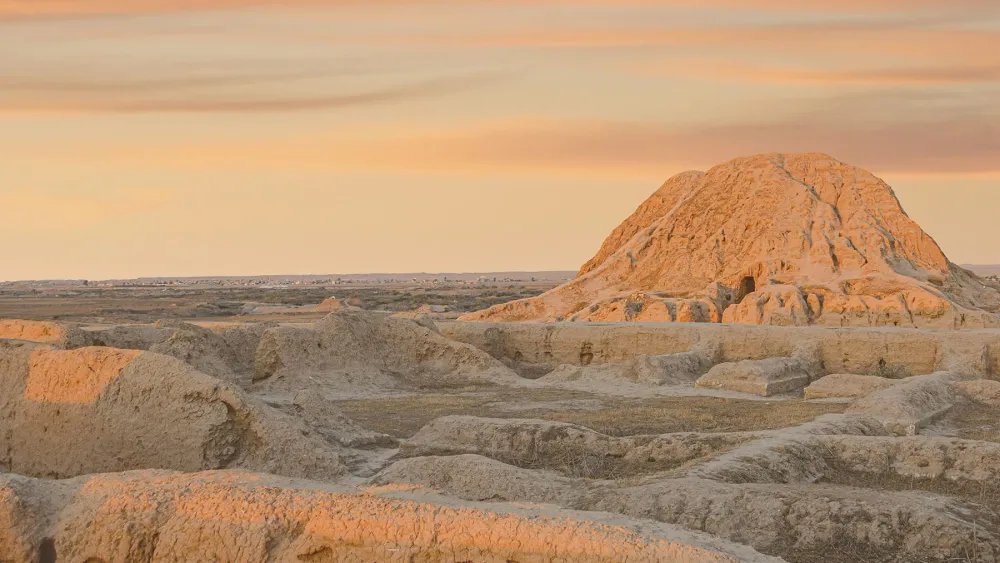
Scent is one of the oldest ways these lands have spoken. Between Anatolia and Mesopotamia, people burned incense and resins for their gods, perfumed their bodies for festivals, anointed stones and statues, and scented homes before important guests arrived. Clay tablets from ancient cities record recipes for incense and perfume made from cedar, juniper, cypress, and other aromatics, blended with oils, shaped into blocks, and burned in decorated vessels. Perfume makers combined flowers, woods, and resins into mixtures meant for healing, devotion, and daily care. In Anatolia, incense appears in temple rituals, while herbs and resins moved along the same trade routes as metals and textiles. The plants of these plateaus—thyme, laurel, sage, pine, juniper—have been crushed, boiled, and burned for thousands of years. For Harmony Spiritus, living heritage through scent means listening back through these layers and asking how they might still live in our daily practices now.
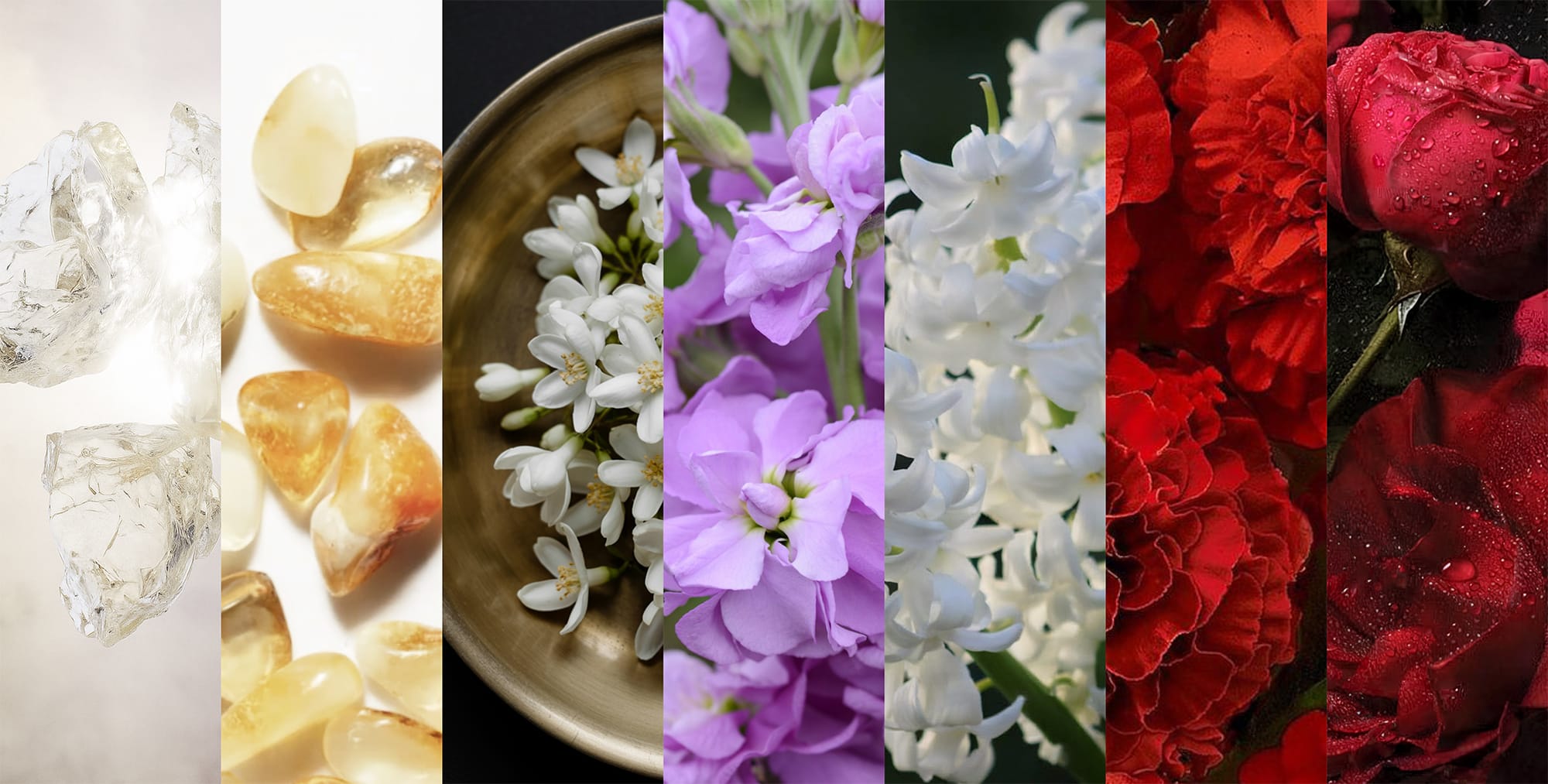
Remember · The Scents of an Old World
To remember through scent is to recognize that fragrance here is not decoration; it is a carrier of story. Imagine:
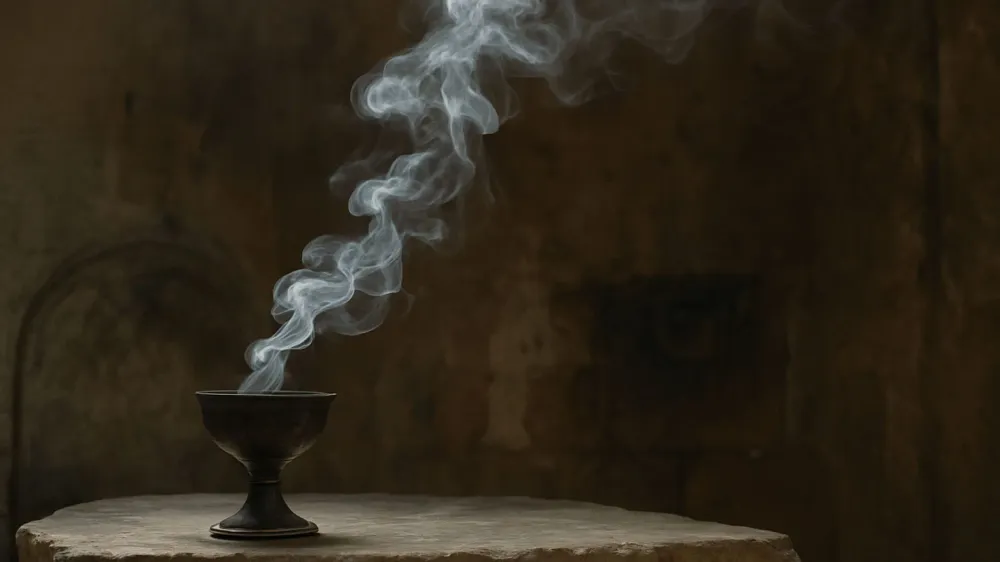
- Resin blocks smoldering on small altars, their smoke rising in temples along the Euphrates and Tigris
- Herbs drying in Anatolian kitchens, later steeped in oils or crushed into food and remedies
- Wood chips of cedar or juniper thrown into a brazier to sweeten a room before a gathering
These scents once marked seasonal festivals, healing rites, and daily offerings. They also moved along trade routes that carried aromatics from mountains and deserts into cities and sanctuaries. To remember through scent is to understand that:
- Every fragrance carries a place and a people
- Our bodies have been learning through smell for generations
- Memory is not only in the mind, but in the nervous system, breath, and skin
The same thyme, laurel, and pine that rooted old rituals still grow here today. The same resins, when lit, call up the same notes of smoke and honey and earth.
Reawaken · Smelling the Landscape Again
To reawaken is to let your nose become a sense of place again. In Anatolia and Mesopotamia, many of the plants once used in ritual and medicine are still present around us:
- Woody notes – cedar, juniper, pine, cypress
- Herbal notes – thyme, sage, mint, hyssop, laurel
- Resins – natural gums and saps that can still be gathered and burned
Reawakening can be very simple:
- On a walk, crush a local herb between your fingers and breathe slowly. Notice what memories or sensations it stirs.
- In a market, pause at the spice and herb stalls. Let your attention soften and see which scents you are drawn to, which feel familiar, and which feel challenging.
- With a piece of cedar or juniper, warm it in your hand and notice how the scent deepens as the wood meets your skin.
Instead of treating scent as background, we allow it to become a teacher again: a way the land introduces itself, a way the past brushes against the present.
Acknowledge · Trade, Extraction, and Loss
Working with these scents today also means acknowledging what has happened around them.
- Ancient aromatics were embedded in trade networks and ritual economies, connecting cities, temples, and households across West Asia.
- Over time, many of these materials were drawn into imperial, colonial, and then industrial systems that extracted resources and knowledge from the region while exporting profit and prestige elsewhere.
- Modern perfumery often uses “oriental” notes—resins, spices, balsams—without naming or honoring the people and lands that cultivated them.
There is also the grief of war and displacement: gardens destroyed, shrines emptied, archives damaged, and bodies of knowledge scattered. When we light resin or pour oil today, we are doing so in the shadow of all of this. Acknowledgement is not about guilt. It is about honesty and respect—refusing to treat these scents as anonymous commodities, and remembering that each aroma has a lineage.